Educate the head and heart
key principles behind our approach to civic culture transformation
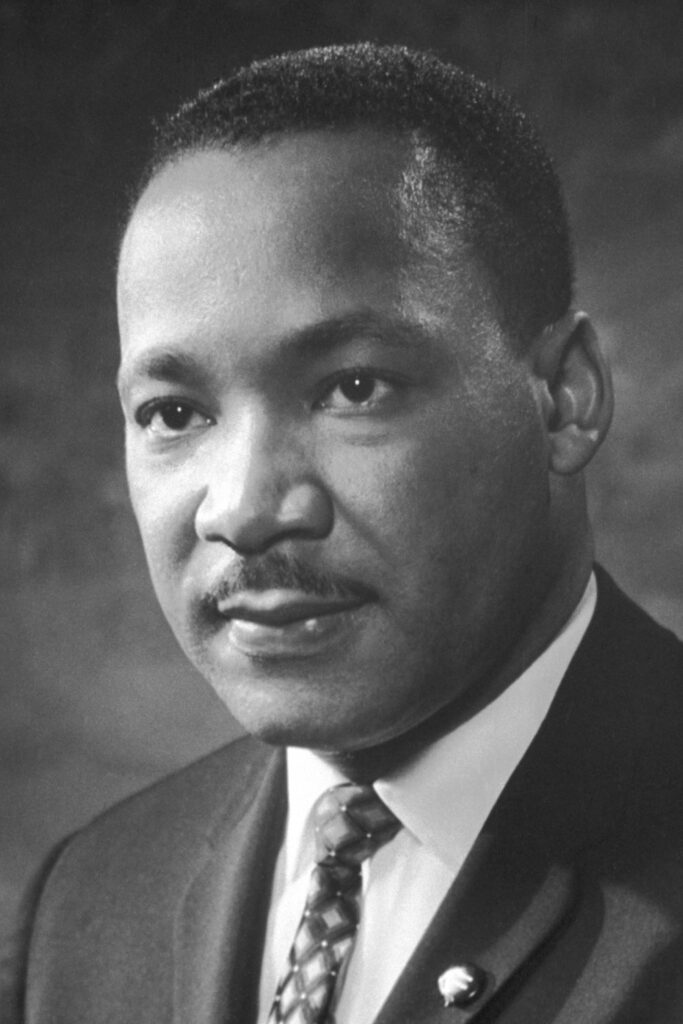
"We must work passionately and indefatigably to bridge the gulf between our scientific progress and our moral progress."
Our best hope for thriving communities and a strong democracy in coming decades lies in strengthening the wisdom, compassion, and courage of ordinary people and in building a civic culture where people are more willing to take responsibility for one another and take leadership for the community as a
whole.
Can this be done? If so, how? For starters, we need to think longer term and beyond the normal boundaries of political discussion. If we are to elect better leaders and successfully enact and implement better public policy for the long term, the public (including people in positions of power) needs a deeper education of head and heart.
To do this, we must draw from lessons of modern psychology, public health, and organization leadership studies, as well as the Civil Rights Movement, to understand how to change our civic culture. Learn more about these lessons below.
We recommend diving into each section for more research, articles, books, and videos to deepen your understanding of each topic.
Our approach
To transform our civic culture we must...
Believe in and Develop a"Shared Faith" in the 21st Century
Ultimately, if we are to build a strong democracy and thriving, sustainable and equitable communities, we need a shared civic faith.
We are all deeply connected to one another and to something beyond ourselves. This is the essence of most religious faiths and the essence of the humanist and civic faiths of great leaders from Lincoln to King and Mandela.
Each of us needs to trust these intuitions of an “oceanic feeling,” of being part of a spiritual or “moral universe” beyond oneself; of having a purpose in life beyond oneself; and of our deep interconnectedness.
Take Individual Responsibility
Whether we think most of our problems have systemic or structural, are caused by the “one percent” or corrupt politicians, or have other sources in human nature, we can agree that the solution still involves millions of personal choices we make (or fail to make) each day.
Building Blocks: Personal Choices We can all make
A combination of these practices can help us navigate the stressors of the world and become kinder, more disciplined civic leaders capable of working with those around us build a better world. Click on each block for more articles, books, and videos on each topic.
If we organize our lives in more fulfilling ways to take care of ourselves and our neighbors, we could transform our communities and democracies.